

You sit down to a meal, and a few minutes later you're clearing your throat or reaching for a glass of water to stop a tickly cough. It happens to almost everyone now and then. But if coughing after eating has become a regular part of your meals, it's worth finding out why.
Most of the time, the cause is something common and manageable, like acid reflux, eating too fast or a reaction to a particular food. Sometimes it points to a swallowing problem or another condition that a doctor should check. This guide covers the most common causes, the foods and habits that can make it worse, simple ways to stop coughing after meals and the warning signs that mean you should get medical help.
At a glance:
- An occasional cough after eating is usually harmless, often from food "going down the wrong pipe."
- Acid reflux is one of the most common causes of a regular cough after meals.
- Food allergies, asthma triggers, postnasal drip and swallowing problems can also play a part.
- Eating slowly, sitting upright and staying upright after meals can help.
- Coughing with trouble breathing, swelling, fever or weight loss needs prompt medical care.
Is Coughing After Eating Normal?
A cough is your body's way of protecting your airway. Cleveland Clinic describes a cough as a forceful push of air that clears irritants, mucus and germs out of your airways. When something irritates your throat during or after a meal, a quick cough is a normal response.
An occasional coughing fit after eating, especially if you were talking, laughing or eating quickly, is usually nothing to worry about. A cough that happens after most meals, lasts for weeks, or comes with other symptoms is different. In those cases, there is usually an underlying cause that can be found and treated.
Doctors often describe a cough by how long it lasts. Cleveland Clinic explains that an acute cough starts suddenly and lasts two to three weeks, while a subacute cough can linger for three to eight weeks after an infection. A cough that goes on longer than that is considered chronic. If you have been coughing after meals for more than a few weeks, it's a good idea to get it checked rather than waiting for it to go away on its own.
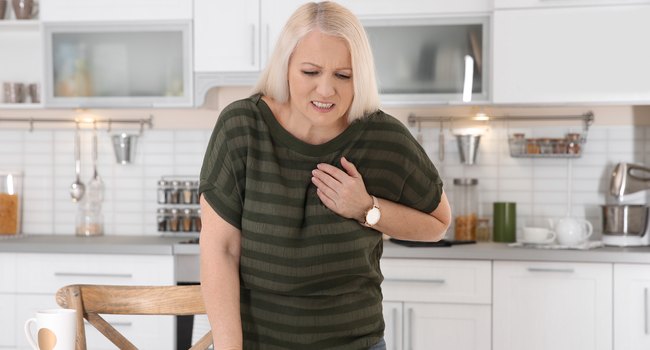
Common Causes of Coughing After Eating
Several different things can cause coughing after eating. Some affect the stomach and esophagus, some affect the throat and airways, and some are reactions to particular foods. Here are the most common causes.
Acid Reflux and GERD
Acid reflux is one of the most common causes of coughing after eating. It happens when stomach contents, including stomach acid, flow back up into the esophagus, the tube that carries food from your mouth to your stomach. When reflux happens often and causes ongoing symptoms, it's called gastroesophageal reflux disease (GERD). The National Institute of Diabetes and Digestive and Kidney Diseases (NIDDK) estimates that about 20 percent of people in the United States have GERD, and notes that it can lead to problems in the throat and lungs, including chronic cough, hoarseness and asthma.
A ring of muscle at the bottom of the esophagus, the lower esophageal sphincter, normally keeps stomach contents down. Reflux often gets worse after large or fatty meals and when you lie down soon after eating. Along with a cough, GERD symptoms can include heartburn, a sore throat, a sour taste in your mouth, chest discomfort or trouble swallowing. Our list of the worst foods for acid reflux covers common meal triggers.
The NIDDK says anyone can develop GERD, but you are more likely to have it if you are overweight or have obesity, are pregnant, take certain medicines, or smoke or are regularly around secondhand smoke. A cough linked to reflux often shows up after dinner or at night, when you're more likely to be lying down with a full stomach.
Some people have reflux that reaches all the way up into the throat and voice box without causing heartburn. This is called laryngopharyngeal reflux (LPR), or "silent reflux." According to Cleveland Clinic, LPR tends to irritate your voice, throat and sinuses instead of causing typical indigestion, and it can be behind hoarseness, laryngitis and chronic throat clearing. Lying down or reclining too soon after eating is one of the habits that can make it worse.
If you often clear your throat after meals, feel like there's a lump in your throat or wake up hoarse, silent reflux is worth discussing with your doctor.
Food Going Down the Wrong Pipe
Sometimes food or drink slips into your windpipe (trachea) instead of your esophagus. This is called aspiration. Cleveland Clinic explains that it's more likely when you're distracted, eating quickly, or talking or laughing while you eat. A strong cough reflex is your body's way of clearing it out, so don't try to stop it.
Usually the cough fixes the problem within moments. Cleveland Clinic advises calling a doctor if you're still coughing two to four hours after an episode, and getting help right away if you cough up blood, cough up brown or black phlegm, develop a fever or chills, have sharp chest pain, or still feel something stuck in your throat. Food or liquid that reaches the lungs can lead to aspiration pneumonia, which needs treatment. Repeated episodes may point to a swallowing or vocal cord problem.
True choking is different from coughing. If someone can't cough, speak or breathe, their airway is blocked. Call 911 and give first aid, such as the Heimlich maneuver, right away.
Swallowing Problems (Dysphagia)
Difficulty swallowing is called dysphagia. MedlinePlus lists coughing or choking during or after eating as a common symptom, along with gurgling sounds from the throat, throat clearing after drinking, coughing food back up, chest discomfort when swallowing and unexplained weight loss. Dysphagia can be linked to muscle or nerve problems, a narrowing of the esophagus, or conditions such as stroke and Parkinson's disease, which raise the risk of aspiration. It becomes more common with age.
Anyone who coughs or chokes regularly while eating or drinking should see a doctor. A swallowing evaluation can show exactly what is happening and which changes, such as food textures or swallowing exercises, will help.
Another cause of swallowing trouble is eosinophilic esophagitis (EoE), a chronic immune condition that inflames the esophagus. Mayo Clinic lists difficulty swallowing and food getting stuck in the esophagus as common symptoms in adults, and notes that people with food or environmental allergies or asthma are more likely to be diagnosed with it. If food often feels stuck when you swallow, or reflux medicine doesn't help, ask your doctor whether EoE could be the cause.
Food Allergy and Asthma Triggers
A food allergy is an immune system reaction to a specific food. According to Mayo Clinic, food allergy symptoms usually start within a few minutes to two hours after eating and can include tingling or itching in the mouth, hives, swelling of the lips, face, tongue or throat, wheezing, nasal congestion and trouble breathing. Coughing can be part of an allergic reaction, especially when it comes with itching, swelling or wheezing.
A cough with swelling of the throat, trouble breathing or dizziness can be a sign of anaphylaxis, a severe allergic reaction. Call 911 and use epinephrine if it has been prescribed. Our guide to food allergy vs. food intolerance explains how these reactions differ.
Some people with asthma find that certain foods or additives set off their symptoms. Mayo Clinic notes that sulfites, which are used to preserve dried fruit, canned goods and wine, can trigger asthma attacks in people with severe asthma. Reflux can also make asthma harder to control. If you have asthma and start coughing or wheezing after meals, talk to your doctor about possible triggers and your asthma plan.
Coughing Up Mucus or Phlegm After Eating
Mucus that drips down the back of your throat can make you cough or clear your throat, and eating can make it more noticeable. Some people get a runny nose every time they eat, especially with hot or spicy foods. This is called gustatory rhinitis, and the extra mucus can drip into the throat and set off a cough. Some people also notice congestion after certain foods or drinks. Our post on food intolerances and congestion looks at this link. Histamine-rich foods such as aged cheese, cured meats, wine and fermented foods can also cause congestion in sensitive people, and our guide on how to test for histamine intolerance explains how to look into this.
Other common reasons for coughing mucus after eating include reflux that irritates the throat and causes extra mucus, and swallowing problems that leave food or liquid near the airway. MedlinePlus lists a wet, gurgling sound after eating as a possible sign of a swallowing problem.
Clear or white mucus that comes and goes, especially during a cold or other respiratory infection, is usually not a concern. See a doctor if the mucus is discolored, bloody or foul-smelling, if you have a fever, or if the cough doesn't settle within a few weeks.

Foods and Drinks That May Trigger a Cough
Triggers for coughing after eating vary from person to person, but these are some of the most common:
Food or drink |
Why it may cause coughing |
|---|---|
Fatty or fried foods, large meals |
Can make reflux more likely |
Chocolate, peppermint, coffee and alcohol |
Common reflux triggers for many people |
Citrus, tomato sauces and spicy foods |
Can irritate the throat and worsen reflux |
Hot peppers and very hot soups |
Can cause a runny nose and postnasal drip |
Dry, crumbly foods like crackers and rice |
Crumbs can tickle the throat or go down the wrong way |
Thin liquids, especially when gulped |
Harder to control for people with swallowing problems |
Wine, dried fruit and some canned foods |
May contain sulfites, a known asthma trigger for some people |
Aged cheese, cured meats and fermented foods |
High in histamine, which may cause congestion in sensitive people |
Foods you are allergic to |
Can cause coughing, wheezing and swelling as part of an allergic reaction |
Carbonated drinks can add pressure in the stomach and make some people burp or reflux. If you notice that, our post on burping after eating may help.
How to Stop Coughing After Eating
The best fix depends on the cause, but these steps help many people:
- Slow down. Take small bites, chew well and put your fork down between bites.
- Don't talk or laugh with food in your mouth. This lowers the chance of food going down the wrong pipe.
- Sit upright while eating. MedlinePlus also suggests staying upright for 30 to 45 minutes after eating if you have swallowing problems.
- Don't lie down right after meals. Wait a few hours before bed to reduce reflux.
- Eat smaller meals and limit fatty, spicy or acidic foods if they bother you.
- Sip water during meals to help food go down, but avoid gulping large amounts.
- Keep mealtimes calm. Distractions like TV or phones make it easier to swallow without paying attention.
- Follow your treatment plan and any lifestyle changes your doctor recommends if you have asthma, allergies or reflux.
If a coughing fit starts, let it happen. Coughing is the body's way of clearing the airway. Once it settles, a sip of water can help soothe your throat.

When to See a Doctor
Most cases of coughing after eating are not serious, but some symptoms need medical attention. Get emergency care if you have shortness of breath or trouble breathing, swelling of the face, lips, tongue or throat, a feeling that food is stuck and won't go down, or you cough up blood.
Make an appointment with your doctor if you:
- Have a persistent cough after most meals for more than a few weeks
- Choke often or have trouble swallowing
- Have heartburn that keeps coming back or doesn't improve with treatment
- Have a hoarse voice that lasts
- Have fever, chills or discolored phlegm after coughing episodes
- Are losing weight without trying
A doctor may ask about your symptoms and eating habits, examine your throat and order tests such as a swallowing study, an upper endoscopy to look at the esophagus or allergy testing, depending on what they find.
Tracking Your Triggers
If you keep coughing after eating, a simple food and symptom diary can help you and your doctor spot patterns. For two to three weeks, write down what you eat and drink, how fast you eat, your posture during and after meals, and when the cough starts. Note other symptoms too, like heartburn, congestion, itching or a lump in your throat. Over time you may notice that the cough follows specific foods, large meals or lying down after eating.
Bring the diary to your appointment. Details like "cough starts about 20 minutes after dinner, worse after pizza and wine, better when I stay upright" give your doctor much more to work with than "I cough after I eat."
If you suspect particular foods, a structured elimination diet can help you test them one at a time. Never reintroduce a food that caused allergy symptoms such as swelling or trouble breathing without your doctor's guidance.
For a broader look at how different foods may be affecting your wellness, the AFIL Foods & Drinks Kit uses one small hair sample to look at 350+ foods and drinks and gives you a color-coded wellness report. It's a general wellness tool you can use alongside your diary. It is not an allergy test or a diagnosis, so see a doctor for any symptoms that worry you.
Conclusion
Coughing after eating is common, and an occasional cough is usually just your body clearing your throat. When it happens often, acid reflux, silent reflux, swallowing problems, food allergies, asthma triggers and postnasal drip are the usual suspects. Eating slowly, sitting upright, staying upright after meals and keeping track of trigger foods can make a big difference. Get medical advice if the cough keeps coming back, and get emergency care for trouble breathing, swelling or food that feels stuck.
Frequently Asked Questions
Why do I cough after I eat?
The most common reasons are acid reflux, food or liquid going down the wrong pipe, postnasal drip and swallowing problems. Food allergies and asthma triggers can also cause coughing after meals. If it happens regularly, a doctor can help find the cause.
Is coughing after eating a sign of cancer?
Rarely. Most coughs after eating are caused by reflux, eating habits or other common conditions. Mayo Clinic lists coughing or hoarseness among the possible symptoms of esophageal cancer, usually with trouble swallowing, unintended weight loss or worsening heartburn. See a doctor if you have any of these symptoms.
Why do I cough up mucus after eating?
Postnasal drip, reflux that irritates the throat and swallowing problems are common reasons. Hot or spicy foods can also make your nose run. See a doctor if the mucus is discolored or bloody, or if you have a fever.
Can acid reflux cause coughing after eating?
Yes. Reflux can irritate the throat and airways, and the NIDDK lists chronic cough and hoarseness among GERD's possible complications. Silent reflux can cause a cough and throat clearing even without heartburn.
Can a food allergy cause coughing?
Yes. Coughing, wheezing and trouble breathing can be part of an allergic reaction, usually within minutes to two hours of eating. Swelling or breathing trouble is an emergency, so call 911 and use epinephrine if prescribed.
Watch AFIL test kits testimonial videos click here
Sources
Cleveland Clinic, Cough, 2025: https://my.clevelandclinic.org/health/symptoms/17755-cough
NIDDK, Definition & Facts for GER & GERD, 2020: https://www.niddk.nih.gov/health-information/digestive-diseases/acid-reflux-ger-gerd-adults/definition-facts
Cleveland Clinic, Laryngopharyngeal Reflux (LPR), 2023: https://my.clevelandclinic.org/health/diseases/15024-laryngopharyngeal-reflux-lpr
Cleveland Clinic, What’s Going On When Something ‘Goes Down the Wrong Pipe’?, 2025: https://health.clevelandclinic.org/whats-going-on-when-something-goes-down-the-wrong-pipe
MedlinePlus, Swallowing problems, 2026: https://medlineplus.gov/ency/patientinstructions/000065.htm
Mayo Clinic, Eosinophilic esophagitis: Symptoms and causes, 2024: https://www.mayoclinic.org/diseases-conditions/eosinophilic-esophagitis/symptoms-causes/syc-20372197
Mayo Clinic, Food allergy: Symptoms and causes, 2026: https://www.mayoclinic.org/diseases-conditions/food-allergy/symptoms-causes/syc-20355095




