

Key Highlights
- Nightshade sensitivity symptoms can include digestive issues, skin rashes, fatigue, headaches, or joint pain after eating nightshade vegetables.
- Common foods to watch include tomatoes, white potatoes, bell peppers, chili peppers, eggplant, and some spices.
- A nightshade allergy is different because it involves an immune response and can cause fast allergy symptoms.
- Nightshade intolerance often causes delayed, dose-dependent symptoms rather than a true allergic reaction.
- A food diary and elimination diet are practical ways to spot trigger foods and patterns.
If tomatoes, peppers, or potatoes seem to leave you with bloating, fatigue, or other uncomfortable symptoms, you may be wondering about nightshade sensitivity symptoms. Nightshade vegetables are common in everyday meals, so it can be hard to tell what is really bothering you. It also helps to know that sensitivity is not the same as a true allergy. That distinction matters because a true allergy involves the immune system, while a sensitivity usually follows a different pattern.
Understanding Nightshades: What They Are and Where They're Found
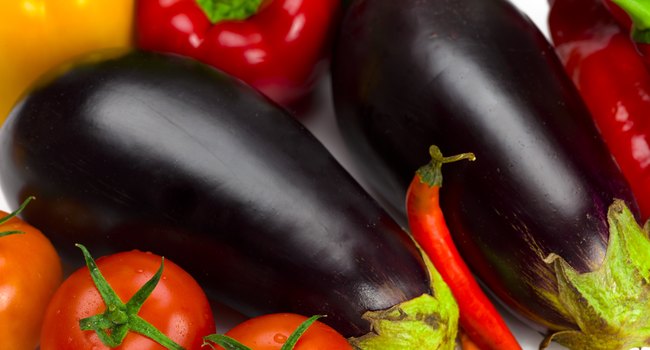
Nightshades are a group of plants in the Solanaceae family. Not every member of this plant family is eaten, and some nightshade plants, such as deadly nightshade, are not foods at all. Still, many edible nightshades are staples in American cooking.
You probably eat from the nightshade family more often than you think. Tomatoes, peppers, potatoes, and eggplant all belong here. Since these foods appear in sauces, spice blends, and packaged meals, learning where they are found is a useful first step before you try to identify possible triggers.
The Most Common Nightshade Vegetables and Fruits
Most people think first about vegetables, but nightshade foods also include a few fruits. If you suspect a reaction, start with the most common items you eat often. That makes pattern tracking much easier.
Common nightshade vegetables and nightshade fruits include:
- Tomato
- White potatoes
- Bell peppers
- Chili peppers
- Eggplant
- Goji berries
- Tomatillos
- Paprika-based peppers and dried pepper products
These are the main foods to review if you notice symptoms after meals. White potatoes are different from sweet potatoes, which are not part of the Solanaceae family. Goji berries can surprise people because they are less obvious than peppers or tomato sauce. Once you know the usual list, hidden sources become easier to spot in daily meals.
Hidden Sources of Nightshades in Everyday Foods
Here is where things get tricky. You may avoid obvious nightshade foods but still eat ingredients made from the same Solanaceae family. That can make nightshade intolerance feel confusing, especially when symptoms seem inconsistent from one day to the next.
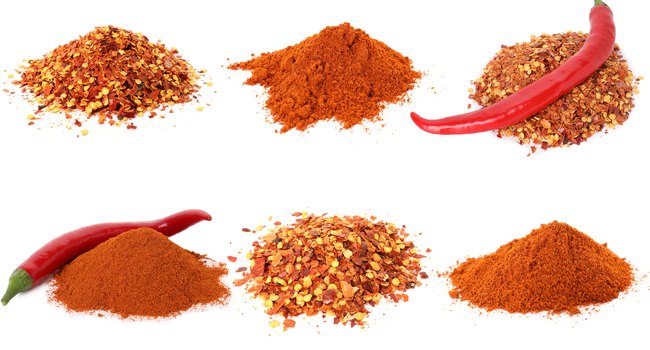
Hidden sources worth checking on labels include:
- Paprika
- Cayenne pepper
- Chili powder
- Red pepper
- Potato starch
- Tomato powder or tomato-based seasoning
Spice blends are a major source because they often contain paprika or cayenne pepper. Packaged soups, chips, sauces, and seasoning mixes may also use potato starch or tomato concentrates. Even if you are thinking about food allergies, it is smart to read ingredient lists closely. Small exposures from hidden ingredients can make it harder to tell which foods are actually bothering you.
Nightshade Sensitivity vs. Nightshade Allergy: Key Differences
This is the part many people want clarified. A true food allergy involves an immune response and can trigger nightshade allergy symptoms soon after eating. In rare cases, that allergic reaction may become severe and need urgent care.
Nightshade intolerance or food sensitivity usually looks different. Symptoms are often delayed, sometimes by hours or even longer, and may include digestive upset, fatigue, or joint discomfort rather than immediate swelling or breathing problems. Because other conditions, including autoimmune conditions, can overlap with these symptoms, the timing and type of reaction matter a lot.
With a true allergy, the immune system mistakes a food protein as harmful. That immune response involves IgE antibodies, which can lead to histamine release and fast allergy symptoms. You might see hives, swelling, wheezing, or other signs shortly after eating.
A sensitivity is different. It is not the same as a true allergy, and it does not follow the classic IgE pathway. People often describe digestive discomfort, fatigue, or joint pain that appears later and may depend on how much they ate.
For allergy concerns, a doctor may use a skin prick test or a blood test that looks at IgE antibodies. For food sensitivities, an at-home wellness tool such as AFIL's Foods & Drinks Kit, which uses one small hair sample, can help you decide which foods to look at more closely. Severe or immediate reactions should always be evaluated by a medical professional.
Typical Onset and Duration of Symptoms
Timing can help you tell these reactions apart. A nightshade allergy often shows up quickly, usually within minutes to two hours. Nightshade sensitivity symptoms are often slower and may appear hours to days later, which is why people sometimes miss the connection.
Here is a simple side-by-side view:
Feature |
Nightshade Allergy |
Nightshade Sensitivity |
|---|---|---|
Usual onset |
Minutes to 2 hours |
Hours to days |
Common symptoms |
Hives, swelling of the lips, wheezing, difficulty breathing |
Digestive symptoms, fatigue, joint discomfort, heartburn |
Trigger amount |
Even small amounts may trigger symptoms |
Small amounts may be tolerated; larger portions may cause problems |
Risk level |
Can be serious |
Usually not dangerous |
Because an allergic reaction can escalate fast, symptoms such as swelling of the lips, throat tightness, or difficulty breathing need immediate medical attention. Slower digestive symptoms still matter, but they usually call for tracking, pattern spotting, and a careful elimination approach instead of emergency care.
Possible Causes of Nightshade Sensitivity
Researchers do not have one confirmed explanation for nightshade sensitivity. Research on nightshade sensitivity is still growing, and many people report that certain nightshade foods seem linked to repeat symptoms.
Several theories focus on natural plant compounds, digestive irritation, and individual differences. Food intolerance may also overlap with other health concerns, including autoimmune conditions or changes in the gut microbiome. That is why it helps to look at your full symptom picture instead of assuming every reaction has the same cause.
Alkaloids, Lectins, and Capsaicin: What’s Inside Nightshades?
Nightshade vegetables contain natural compounds that may bother some people. One group is alkaloids. Solanine, an alkaloid found mainly in potatoes (especially green skin and sprouts), is often discussed when people talk about digestive issues after eating nightshades.
Another group is lectins, which are proteins some people believe may worsen symptoms in certain inflammatory conditions or digestive disorders. The evidence is still developing, so it is best to think of these as possible contributors rather than proven causes for everyone.
Capsaicin is the compound that gives chili peppers their heat. In sensitive individuals, capsaicin may irritate the gut lining and contribute to burning, reflux, or stomach discomfort. That can make spicy nightshade vegetables especially noticeable. If your symptoms seem tied to hotter foods, this may be one detail worth tracking in your symptom notes.
Some people may be more likely to notice problems after eating nightshades. That includes sensitive individuals who already deal with ongoing digestive concerns or inflammatory symptoms. If your system is already reactive, certain foods may stand out more.
Conditions often mentioned in this conversation include inflammatory bowel disease, irritable bowel syndrome, and celiac disease. These do not prove that nightshades are the cause, but they can make the digestive system more complicated to interpret. Symptoms like bloating or abdominal pain can have many possible explanations.
There is also interest in whether nightshade reactions overlap with other food intolerance patterns, including gluten intolerance. The link is not clear, but overlap can happen because people often react to more than one trigger food. If you have autoimmune diseases or persistent symptoms, working with a healthcare provider is a smart move.
Common Symptoms Linked to Nightshade Sensitivity
Nightshade sensitivity symptoms can look different from person to person. Reported symptoms often include digestive issues, skin rashes, headaches, fatigue, brain fog, and joint pain. These signs are not unique to nightshades, which is why pattern tracking matters.
Some people notice one main symptom, while others feel effects across several body systems. Since food sensitivity can overlap with autoimmune conditions and common digestive disorders, it helps to break symptoms into categories. The next sections cover the patterns people most often report after eating suspected nightshade foods.
Digestive Issues, Bloating, and Stomach Discomfort
For many people, the digestive system is where symptoms show up first. Common nightshade sensitivity symptoms in the gut include bloating, gas, nausea, stomach cramps, diarrhea, or a general feeling of digestive discomfort after meals.
These symptoms can be frustrating because they overlap with many other issues. Abdominal pain after tomato sauce or spicy peppers does not automatically mean nightshades are the cause. It can also be hard to separate a food reaction from reflux, stress, or another digestive condition.
Some theories suggest certain compounds in nightshades may irritate the gut lining in sensitive people. The main takeaway is simple: if bloating or stomach pain keeps repeating after specific nightshade foods, write it down and look for a clear pattern over time.

Skin Reactions and Rashes from Nightshades
Skin changes are another complaint some people notice. These can include itching, redness, or skin rashes after eating certain foods. When skin changes are among your nightshade sensitivity symptoms, the reaction is usually mild and delayed rather than sudden.
That said, skin symptoms deserve attention because they can overlap with nightshade allergy symptoms. Hives, fast swelling, or widespread itching may fit more with allergy symptoms than with a slower food sensitivity reaction. Timing is important here.
There is also room for confusion when autoimmune conditions or unrelated skin issues are already present. If a rash appears after meals more than once, note the food, portion, and timing. If you ever have hives with swelling or trouble breathing, do not assume it is a sensitivity. Seek medical care right away.
Joint Pain, Fatigue, and Other Systemic Effects
Not every reaction stays in the gut. Some people report joint pain, stiffness, fatigue, headaches, or brain fog after eating nightshade foods. These broader symptoms are often why nightshades come up in conversations about inflammatory conditions.
Joint concerns are especially common in discussions around rheumatoid arthritis and similar issues. Research on nightshades and inflammation is still being explored, and results so far are mixed.
So what should you do with that information? Stay curious, but stay practical. If fatigue or joint pain seems to flare after certain meals, track it carefully instead of guessing. A repeat pattern can help guide your next steps, while a healthcare provider can help rule out other causes of these systemic symptoms.
How to Identify and Track Nightshade Sensitivity
If you are trying to figure out whether nightshades are a problem, structure helps. A food diary and symptom diary can show you whether reactions happen after tomatoes, peppers, potatoes, or spice blends, and whether the timing fits sensitivity more than allergy.
An elimination diet is often the best way to test that idea in real life. Some people also use an at-home wellness test as part of their wellness plan to highlight foods worth reviewing more closely. The key is to combine tools, not rely on guesswork or one isolated symptom.
Using a Symptom Diary to Notice Patterns
A simple food diary can reveal a lot. Because nightshade sensitivity symptoms may be delayed, try tracking meals and uncomfortable symptoms for several weeks instead of just a day or two. This gives you a better chance of spotting repeat trigger foods.
In your notes, record:
- What you ate and drank
- Portion sizes
- Time of the meal
- Digestive symptoms or other uncomfortable symptoms
- When the symptoms started
- How long they lasted
You do not need anything fancy. A phone note, paper journal, or spreadsheet works fine. What matters is consistency. If bell peppers trigger bloating three times in one week, that matters. If tomato sauce causes no issues but chili powder does, that matters too. A careful record helps you move from guessing to pattern recognition.

Trying an Elimination Diet Safely at Home
For many people, an elimination diet is the best way to explore whether the nightshade family is a trigger. The basic idea is to remove common nightshade foods for a short period, then reintroduce them one at a time while watching symptoms.
A practical approach includes:
- Remove tomatoes, white potatoes, peppers, eggplant, and nightshade spices
- Read labels for hidden sources like paprika, cayenne, chili powder, and potato starch
- Keep meals balanced with other vegetables
- Track symptoms every day
- Reintroduce one food at a time
- Wait and observe before adding the next food
This process works best when you are organized and patient. If you have ongoing digestive trouble, unexplained weight loss, blood in stool, or severe abdominal pain, speak with a healthcare provider first. The goal is not to diagnose yourself in a vacuum. It is to gather useful information in a safe, structured way.
How the AFIL Foods & Drinks Kit Can Help
If you want added guidance, AFIL’s Foods & Drinks Kit can be a helpful at-home wellness tool. Using one small hair sample, it looks at 350+ foods and drinks and gives you a color-coded wellness report, so you can spot items that may be worth looking at more closely as you build your personal symptom picture. That can be especially useful when your meals include many mixed ingredients.
It is important to match the tool to the question you are asking. A doctor may use a skin prick test or blood test when a true allergy is suspected. For wellness tracking, an at-home wellness test can support your process by giving you more information to pair with your food diary.
Used thoughtfully, this kind of at-home wellness support can save time and reduce guesswork. It works best as part of a bigger plan that includes symptom tracking, careful food reintroduction, and medical guidance when symptoms are severe, sudden, or affecting your quality of life.
Conclusion
If tomatoes, potatoes, peppers or eggplant keep showing up before your symptoms, nightshade sensitivity is worth a closer look. By identifying the differences between sensitivity and allergy, you can better navigate your dietary needs. Tracking nightshade sensitivity symptoms like digestive issues, skin reactions, and joint pain can help you pinpoint potential triggers in your diet. Utilizing tools like a symptom diary and trying an elimination diet can aid in recognizing which nightshades affect you most. The AFIL Foods & Drinks Kit serves as a valuable resource, offering at-home wellness support to identify food triggers effectively. With the right strategies in place, you can take control of your health and enjoy a more comfortable lifestyle. Remember, it's always wise to consult a healthcare professional for severe reactions or concerns.
Frequently Asked Questions
How quickly do symptoms of nightshade sensitivity appear?
Nightshade sensitivity symptoms are often delayed digestive symptoms, fatigue, or discomfort that appear hours to days after eating. That is different from nightshade allergy symptoms, which usually happen within minutes to two hours because of a faster immune response. Sudden swelling or breathing trouble suggests an allergic reaction, not a typical sensitivity.
Can nightshade sensitivity exist alongside other food intolerances?
Yes, nightshade intolerance can exist alongside another food sensitivity or gluten intolerance. Some people with autoimmune conditions or ongoing digestive complaints notice more than one trigger food. Because symptoms overlap, careful tracking matters. If you suspect several triggers, a structured elimination plan can help sort out what is really bothering you.
Which foods are most important to watch for hidden nightshades?
The most important hidden sources are paprika, cayenne pepper, chili powder, red pepper seasonings, and potato starch. These ingredients show up in sauces, chips, spice blends, and packaged foods. Sensitive individuals may react even when they avoid obvious nightshade foods, so reading labels carefully is important when navigating the Solanaceae family.
What are the most common nightshade sensitivity symptoms?
People most often report bloating, gas, stomach cramps, diarrhea or heartburn, along with fatigue, headaches, joint stiffness or itchy skin. These symptoms tend to be delayed and depend on how much you ate, which is why a food diary helps link them to specific meals.
Are sweet potatoes and black pepper nightshades?
No. Sweet potatoes belong to the morning glory family, and black pepper comes from a different plant family (Piperaceae), so neither is a nightshade. White potatoes, tomatoes, tomatillos, eggplant, goji berries and peppers such as bell, chili, cayenne and paprika are nightshades.
How long should I avoid nightshades during an elimination diet?
Many elimination plans remove the suspected foods for about 2 to 4 weeks, then reintroduce them one at a time, a few days apart, while tracking symptoms. Check with your healthcare provider before starting, especially if you have an ongoing medical condition.
Watch AFIL test kits testimonial videos click here
Sources
Cleveland Clinic, The Truth About Nightshades: Are They Bad for You?, 2025: https://health.clevelandclinic.org/whats-the-deal-with-nightshade-vegetables/
MedlinePlus, Potato plant poisoning - green tubers and sprouts, 2025: https://medlineplus.gov/ency/article/002875.htm
Cleveland Clinic, Arthritis: Should You Avoid Nightshade Vegetables?, 2023: https://health.clevelandclinic.org/arthritis-should-you-avoid-nightshade-vegetables
Arthritis Foundation, What You Should Know About Nightshades and Arthritis: https://arthritis.org/health-wellness/healthy-living/nutrition/anti-inflammatory/how-nightshades-affect-arthritis




