

You sit down to a bowl of chili or a steaming plate of curry, and within a few bites your nose starts to drip. It's a surprisingly common experience, and for most people it's harmless. Still, a runny nose after eating can be annoying, a little embarrassing at the dinner table, and confusing when you're not sure whether it's a reaction you should worry about.
The good news is that the cause is usually easy to narrow down. In most cases it's a nerve reflex called gustatory rhinitis, not an allergy. But food allergies, pollen-related reactions, alcohol and certain compounds in food can also make your nose run. This guide walks through each cause in detail, explains how to tell them apart, lists the most common food triggers and covers practical ways to get relief.
Key Highlights
- The most common cause is gustatory rhinitis, a harmless nerve reflex triggered by hot or spicy food.
- It is not an allergy: the fluid is clear and usually stops soon after you finish eating.
- Food allergies, pollen-food syndrome, alcohol and histamine-rich foods can also cause nasal symptoms.
- Itching, hives or swelling point toward an allergy and need medical attention.
- Tracking your meals is the fastest way to find your personal triggers.
Why Does My Nose Run When I Eat?
Your nose and mouth share a dense network of nerves. One of them, the trigeminal nerve, senses heat, spice and chemical irritants in your nasal lining and face. When it's stimulated, it signals nearby glands to release more mucus and the blood vessels to widen. The result is a drippy or stuffy nose, sometimes with watery eyes.
This response is part of normal body wiring. It's the same reason your eyes may water when you cut onions or you start sniffling when you step into cold air. For some people, though, the reflex is more sensitive, so ordinary meals set it off.
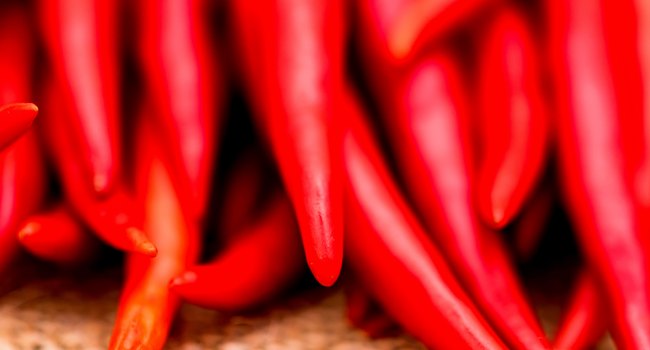
Is it normal? An occasional runny nose with very spicy food is normal and expected. Capsaicin, the compound that makes chili peppers hot, is a strong irritant to the nasal lining. If it happens with almost every meal, or with foods that aren't spicy, it's worth looking more closely at the cause. Doctors call a runny nose rhinorrhea, and when it's linked to eating, the umbrella term is gustatory rhinorrhea or gustatory rhinitis.
What Is Gustatory Rhinitis?
According to the Cleveland Clinic, gustatory rhinitis is a type of non-allergic rhinitis that causes a runny nose when you eat spicy or hot foods. Heat or spice activates the trigeminal nerve in the lining of your nose, which increases mucus and widens nasal blood vessels. Symptoms come on suddenly while eating or right after, and they usually stop soon after the meal ends.
Typical signs of gustatory rhinitis include:
- A runny nose with clear, watery fluid
- Congestion or a stuffy nose
- Sneezing
- Watery eyes
- Postnasal drip or a mild cough
What's usually missing is just as telling. Gustatory rhinitis doesn't cause itching, hives, lip or throat swelling, or trouble breathing. Those signs point toward an allergic reaction instead.
Gustatory rhinitis, the most common reason for a runny nose after eating, becomes more common with age, and the Cleveland Clinic notes it often shows up in adults older than 50. It can also follow a head injury or nasal surgery. In many people, though, there's no clear reason why the nerves have become more sensitive. Some people find their symptoms ease over time.
Common Food Triggers for a Runny Nose
Triggers vary from person to person, but certain foods and drinks come up again and again. The table below groups the most common ones and explains why they can set off nasal symptoms.
Trigger |
Examples |
Why it may cause a runny nose |
|---|---|---|
Spicy foods |
Chili peppers, hot sauce, salsa, cayenne, curry, chili powder |
Capsaicin and other irritants stimulate the trigeminal nerve |
Pungent foods |
Horseradish, wasabi, spicy mustard, onion, garlic, ginger |
Strong compounds irritate the nasal lining |
Hot-temperature foods |
Soup, hot tea, coffee |
Heat and steam trigger the same reflex |
Sour foods |
Vinegar, pickles, dressings |
Acidic, sharp flavors can stimulate nerve endings |
Alcohol |
Wine, beer, spirits |
Can make the nasal lining swell |
Histamine-rich foods |
Aged cheese, cured meats, fermented foods, wine |
Histamine can cause nasal congestion in sensitive people |
Raw fruits, vegetables and nuts |
Apples, peaches, cherries, carrots, celery, almonds |
Can cause pollen-food syndrome in people with pollen allergies |
Spicy and hot foods are by far the most common triggers. The Mayo Clinic lists hot or spicy foods as the main food triggers for non-allergic rhinitis. Even a mild dish can do it if you're sensitive, and the effect is often stronger with very hot soups or drinks, where heat and spice combine.
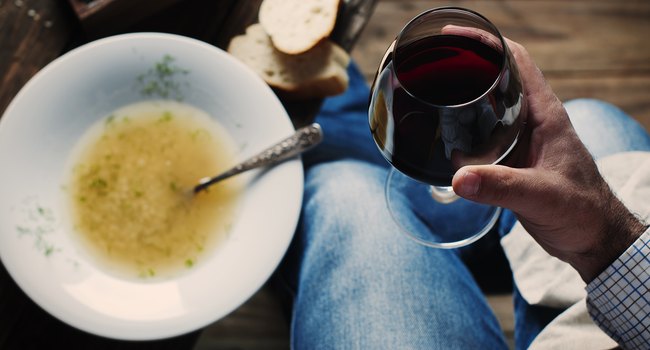
Alcohol is another frequent cause of a runny nose after eating or drinking. Many people notice stuffiness after a glass of wine or beer. The Mayo Clinic notes that drinking alcohol can cause the tissue lining the inside of the nose to swell. Some people also react to other compounds in drinks, which is covered in our guide to alcohol intolerance vs. alcohol allergy.
Histamine is a natural compound found in aged, cured and fermented foods. Most people break it down without trouble, but some people seem to be more sensitive to it, and nasal congestion is one of the symptoms often linked to histamine intolerance. Red wine, aged cheese and sauerkraut are common examples, and leftovers can build up more histamine the longer they sit in the fridge. Research is still growing in this area. If you suspect histamine is a factor, our step-by-step guide on how to test for histamine intolerance explains your options.
Runny Nose After Eating vs. Food Allergy
A runny nose from a food allergy is very different from gustatory rhinitis, even though they can look similar at first. A food allergy involves the immune system. It can affect the skin, mouth, gut and breathing, and in rare cases it can become life-threatening. Gustatory rhinitis, on the other hand, is a nerve response with no immune reaction behind it.
- Non-allergic (gustatory) rhinitis: clear, watery runny nose; triggered by heat, spice or sour foods; starts during the meal and stops soon after; no itching, hives or swelling.
- Food allergy: itchy mouth or throat, hives, flushing, swelling of the lips, tongue or face, stomach pain or vomiting, wheezing; usually linked to one specific food rather than a type of flavor.
Mayo Clinic notes that non-allergic rhinitis usually doesn't cause an itchy nose, eyes or throat, which are typical allergy symptoms. If you aren't sure which one you're dealing with, see a doctor. They can use skin or blood tests to rule out an allergy. Our post on food allergy vs. food intolerance explains the wider difference between immune and non-immune food reactions.
Pollen-Food Syndrome
If you have seasonal allergies and your mouth or throat itches when you eat certain raw fruits or vegetables, you may have pollen-food allergy syndrome, also called oral allergy syndrome. The Mayo Clinic explains that it happens when proteins in raw produce look similar to pollen proteins, so the immune system reacts to both. People with birch pollen allergy, for example, often react to raw apples, cherries, peaches, pears, carrots, celery and almonds. Symptoms are usually mild and limited to the mouth, but they can come with sneezing or a runny nose. Grass pollen is often linked with melons, oranges, peaches and tomatoes, while ragweed pollen is often linked with bananas, cucumbers, melons and zucchini. Symptoms tend to be worse during your pollen season. Many people can eat the same foods once they're cooked, because heat changes the proteins. Because it's an allergic condition, talk with a doctor if you think you have it.
Other Possible Causes
A few other things can cause nasal symptoms around mealtimes:
- Underlying rhinitis: if you already have allergic or non-allergic rhinitis from dust, pollen or fumes, eating may simply make existing symptoms more noticeable.
- Food intolerances: some people report congestion along with digestive symptoms after certain foods. See can food intolerances cause congestion for more.
- Medicines: Mayo Clinic lists some medicines, including aspirin, ibuprofen and some blood pressure drugs, as possible triggers of non-allergic rhinitis.
- Acid reflux: in some people, reflux after meals can irritate the throat and lead to postnasal drip.
Relief and Treatment Options
There's no single cure for a runny nose after eating, but most people can reduce it a lot with a few simple changes and, if needed, help from a doctor.
The most effective way to manage a runny nose after eating is to identify which foods set off your symptoms. Keep a simple food diary for two to four weeks. Note what you ate and drank, how spicy or hot it was, when symptoms started, how long they lasted and any other symptoms such as itching or stomach upset. Patterns usually appear quickly.
Here's a simple layout you can copy into a notebook or phone note:
Time |
Food or drink |
Spicy, hot or sour? |
Nasal symptoms |
Other symptoms |
|---|---|---|---|---|
12:30 pm |
Chicken curry, rice |
Spicy |
Runny nose during meal, stopped after 15 minutes |
None |
7:00 pm |
Tomato soup, glass of red wine |
Hot |
Stuffy nose for about an hour |
Mild headache |
Next day, 8:00 am |
Raw apple |
No |
Sneezing |
Itchy mouth (mention to a doctor) |
After a couple of weeks, look for repeats. If your nasal symptoms only show up with spicy or hot dishes and nothing else happens, gustatory rhinitis is the likely cause. If one specific food keeps causing itching or other symptoms, share that with a doctor.
Once you know your triggers, you can choose milder versions of favorite dishes, let hot soups cool a little before eating, or save very spicy meals for times when a runny nose won't bother you. If you suspect a broader food sensitivity, a short, guided elimination diet can help you test one food at a time.
If your symptoms seem tied to many different foods, a wider view can help you decide what to track first. The AFIL Foods & Drinks Kit uses one small hair sample to look at 350+ foods and drinks and gives you a color-coded wellness report you can use alongside your food diary. It's for general wellness use and is not an allergy test.
Medical Options
The Cleveland Clinic lists several options that may help with gustatory rhinitis:
- Saline nasal rinses to clear mucus and irritants
- Ipratropium nasal spray, a prescription spray that reduces nasal dripping; some people use it before meals
- Corticosteroid nasal sprays for ongoing congestion
- Decongestants for short-term stuffiness
The Mayo Clinic warns not to use decongestant nasal sprays for more than a few days, because congestion can come back worse when they wear off. Talk with a doctor or pharmacist before starting any medicine, especially if you have high blood pressure, take other medicines or are pregnant.
When you eat out, a runny nose after eating can be harder to control, but a few habits make a big difference. Ask how spicy a dish is before you order, and request sauces or chili on the side so you can add as much as you like. Choose dishes that are warm rather than piping hot, or give soups a few minutes to cool. If wine or beer tends to make you stuffy, try a smaller pour or switch to water with your meal. Keeping a small pack of tissues in your pocket or bag also takes the stress out of the moment.
If you use a prescribed nasal spray before meals, ask your doctor how far ahead of eating to use it, and keep it with you when you eat out. Small, consistent habits like these let most people keep enjoying the foods they love.
Simple habits that help:
- Keep tissues handy
- Drink water with spicy meals rather than alcohol
- Let very hot food and drinks cool slightly
- Use a saline rinse before meals that you know trigger symptoms
- Limit alcohol if it makes you congested

When to Seek Medical Advice
A runny nose after eating that only happens with spicy food and stops after the meal is rarely a concern. See a doctor if your symptoms are constant, getting worse, or affecting your daily life, or if you need to rule out a food allergy.
Red Flags
Get emergency help right away if a runny nose after eating comes with:
- Swelling of the face, lips, tongue or throat
- Trouble breathing, wheezing or throat tightness
- Hives over large areas of the body
- Severe vomiting
- Dizziness, light-headedness or fainting
These can be signs of a severe allergic reaction (anaphylaxis). Call 911.
At a doctor's visit, expect questions about your symptoms, when they happen and which foods seem to cause them, so bring your food diary. They may examine your nasal passages and, if an allergy is possible, suggest skin or blood tests. If allergies are ruled out and your symptoms match gustatory rhinitis, they can talk you through treatment options such as nasal sprays.
Conclusion
A runny nose after eating is usually gustatory rhinitis, a harmless nerve reflex set off by spicy, hot or sour food. Alcohol, histamine-rich foods and pollen-related reactions to raw produce can play a part too. Itching, hives or swelling are the key signs that point to an allergy instead. Keeping a food diary, adjusting how you prepare and enjoy trigger foods, and taking a closer look at your food sensitivities can help you enjoy meals without reaching for the tissues. If symptoms are severe, constant or come with any warning signs, see a doctor.
Frequently Asked Questions
Why does my nose run when I eat spicy food?
Spicy foods contain capsaicin and other irritants that stimulate the trigeminal nerve in your nasal lining. This signals the glands to release more mucus, causing a runny nose. It's called gustatory rhinitis and is usually harmless.
Why does bland food also trigger it?
Hot-temperature foods like soup or tea can trigger the same reflex as spicy food. Some people also have more sensitive nerves, existing rhinitis or reactions to specific foods. A food diary can help you find the pattern.
Is a runny nose after eating a sign of a food allergy?
Usually not. A clear, watery runny nose that stops after eating is more likely gustatory rhinitis. A food allergy usually comes with other symptoms such as itching, hives or swelling. See a doctor if you're unsure.
Can alcohol cause a runny or stuffy nose?
Yes. Alcohol can make your nasal lining swell, leading to a stuffy or runny nose. Some people also react to other compounds in wine and beer.
How long does a runny nose after eating last?
With gustatory rhinitis, symptoms usually stop soon after you finish eating. If your nose keeps running for hours or all day, something else may be involved, such as allergies or ongoing rhinitis.
How can I stop it from happening?
Identify your triggers with a food diary, choose milder or cooler versions of trigger foods, and try a saline rinse before meals. If it still bothers you, a doctor may suggest a nasal spray.
Watch AFIL test kits testimonial videos click here
Sources
Cleveland Clinic, Gustatory Rhinitis, 2026: https://my.clevelandclinic.org/health/diseases/gustatory-rhinitis
Mayo Clinic, Nonallergic rhinitis: Symptoms and causes, 2025: https://www.mayoclinic.org/diseases-conditions/nonallergic-rhinitis/symptoms-causes/syc-20351229
Mayo Clinic Health System, Why do fruits and vegetables make your mouth itch and burn?, 2022: https://communityhealth.mayoclinic.org/featured-stories/pollen-food-allergy




