

An occasional stomachache after a big dinner usually passes on its own. But stomach pain after eating that keeps coming back is a signal worth listening to. Where it hurts, how soon it starts and what was on your plate can all point to the most likely cause. This guide covers the common causes, the foods that trigger them most often, how to track your symptoms and when to get medical attention.
What Causes Stomach Pain After Eating?
When you eat, your stomach stretches and makes acid, while your gallbladder and pancreas release bile and enzymes. Discomfort after a meal usually means one part of your digestive system is irritated, overloaded or reacting to a specific food. Doctors often call this indigestion, or dyspepsia. According to the National Institute of Diabetes and Digestive and Kidney Diseases (NIDDK), indigestion affects up to 1 in 5 people in the United States each year.
Where and When It Hurts
Upper middle abdominal pain with a burning sensation often points to indigestion, acid reflux, gastritis or an ulcer. Upper right pain after a fatty meal can suggest a gallbladder problem. Lower belly cramps with gas, bloating or loose stools are more often linked to food intolerances or IBS.
Timing helps too. The Cleveland Clinic notes that indigestion often starts within minutes to a few hours after a meal. Lactose intolerance symptoms usually begin 30 minutes to 2 hours after dairy, according to MedlinePlus. Duodenal ulcer discomfort often shows up hours later, once the stomach is empty.
Common Causes of Stomach Pain After Eating
Acid reflux and GERD happen when stomach acid flows back into the esophagus, causing burning in the chest or upper belly, especially after large, fatty or spicy meals. Doctors may suggest lifestyle changes or medicines such as proton pump inhibitors.
Gastritis is irritation of the lining of the stomach. In peptic ulcer disease, open sores form in the stomach or the first part of the small intestine. The Cleveland Clinic lists Helicobacter pylori infection and regular use of pain relievers like ibuprofen as common causes. Ulcers need medical treatment.
Gallstones can block bile flow and cause steady upper right pain after rich meals, sometimes spreading to the back or right shoulder. Irritable bowel syndrome (IBS) can cause cramping, bloating and changes in bowel habits that flare after meals. Food poisoning is another cause: symptoms of food poisoning such as cramps, nausea, vomiting and diarrhea usually come on suddenly and pass within a few days.
Food Intolerances: A Common Trigger
A food intolerance means your gut has trouble digesting a certain food. Unlike an allergy, it doesn't involve a fast immune reaction, and symptoms often depend on how much you eat (see food allergy vs. food intolerance). Common examples:
- Lactose in dairy products, which can cause stomach cramps, gas and diarrhea (lactose intolerance vs. dairy allergy)
- FODMAPs in onions, garlic, wheat, beans and apples, which gut bacteria ferment into gas
- Gluten in bread and pasta. Celiac disease is a separate autoimmune condition, so see a doctor before cutting out gluten
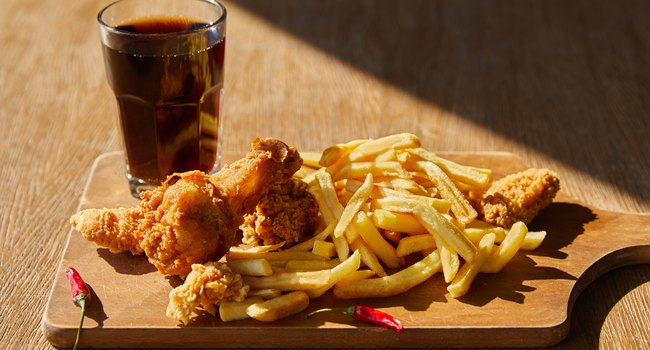
Common Food and Drink Triggers
Everyone's gut is different, but these are some of the most common culprits behind stomach discomfort after meals:
Food or drink |
Why it may bother you |
|---|---|
Milk, ice cream, soft cheese |
Lactose can cause cramps and gas |
Onions, garlic, beans |
High in FODMAPs that ferment in the gut |
Fried and fatty foods |
Slow digestion and can trigger reflux or gallbladder pain |
Spicy foods, coffee, alcohol |
Can irritate the stomach lining |
Fizzy drinks |
Add gas that stretches the stomach |
Sugar-free gum and candy |
Sugar alcohols like sorbitol can cause gas and cramps |
How you eat matters too. Large portions, eating fast and lying down soon after a meal can all lead to discomfort. Stress can also make digestion more sensitive. Keeping portions moderate and meals relaxed often helps.

Tracking and Easing Symptoms at Home
A food and symptom diary is one of the simplest ways to find your triggers. For two to four weeks, note what you ate, when you ate it, when symptoms started, where you felt them and how strong they were. Add stress, sleep and medicines. Patterns often show up within a couple of weeks, and the notes help your doctor too.
Once you have a suspect food, a short elimination diet can help confirm it. For a broader starting point, the AFIL Foods & Drinks Kit uses one small hair sample to look at 350+ foods and drinks and gives you a color-coded wellness report. It's for general wellness use and is not an allergy test.
Simple habits can help: eat smaller meals, slow down and chew well, stay upright for a few hours after eating, and cut back on fried foods, alcohol and fizzy drinks if they bother you.
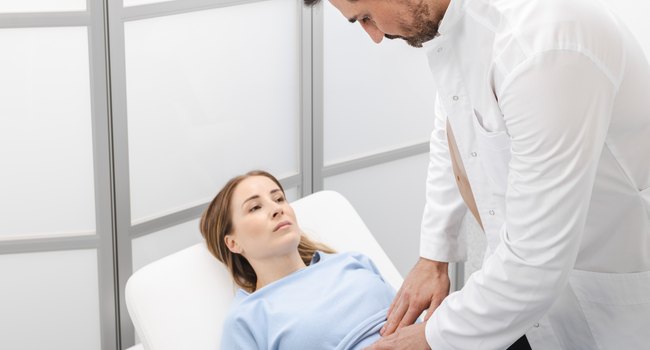
When to Get Medical Attention
See a healthcare provider if stomach pain after eating happens often, lasts more than two weeks or keeps getting worse, since several medical conditions can cause it. The NIDDK advises seeing a doctor right away if you have chest, jaw, neck or arm pain; black, tar-like stools; vomiting blood; weight loss without trying or loss of appetite; yellowing of your eyes or skin; trouble swallowing; or severe pain that won't ease. A doctor may start with a physical exam and, if needed, blood tests or other checks of your digestive tract. Swelling of the lips or throat, hives or trouble breathing after eating can be an allergic reaction, so call 911.
Conclusion
Most stomach pain after eating comes down to a handful of health conditions and habits: indigestion, reflux, food intolerances, IBS or how and how much you eat. Noting where it hurts and when it starts, keeping a diary and taking a closer look at your food sensitivities can help you feel better after meals. If symptoms are severe, frequent or come with warning signs, see a doctor.
Frequently Asked Questions
Why does my stomach hurt every time I eat?
Discomfort after every meal often points to an ongoing issue such as indigestion, acid reflux, gastritis, an ulcer, IBS or a food intolerance. Some of these need treatment, so see a doctor if it happens regularly.
How long does stomach pain after eating last?
Mild indigestion often eases within a few hours. Food intolerance symptoms can last several hours, depending on how much you ate. Symptoms that last longer or keep returning should be checked.
What does upper stomach pain after eating mean?
Upper middle pain is often linked to indigestion, reflux, gastritis or an ulcer. Upper right pain after fatty meals can be a sign of a gallbladder problem.
Can stress cause stomach pain after eating?
Yes. Your gut and brain are closely linked, so stress can make bloating, cramps and pain worse after meals.
What should I eat when my stomach hurts?
Plain foods are usually easiest: rice, bananas, toast, oatmeal, broth and plain cooked chicken. Avoid fried, spicy or fatty foods, alcohol and fizzy drinks until you feel better.
Watch AFIL test kits testimonial videos click here
Sources
NIDDK, Symptoms & Causes of Indigestion, 2025: https://www.niddk.nih.gov/health-information/digestive-diseases/indigestion-dyspepsia/symptoms-causes
Cleveland Clinic, Indigestion (Dyspepsia), 2025: https://my.clevelandclinic.org/health/diseases/7316-indigestion-dyspepsia
MedlinePlus, Lactose intolerance, 2026: https://medlineplus.gov/ency/article/000276.htm
Cleveland Clinic, Peptic Ulcer Disease, 2025: https://my.clevelandclinic.org/health/diseases/10350-peptic-ulcer-disease




